Short answer: no, not by Western standards, but the honest answer depends entirely on how you travel. I’ve seen backpackers cover a week in Morocco for under $300 and seen honeymooners spend that in a single night at a luxury riad. Both trips are valid; they’re just different products. This guide breaks down real 2026 costs across every budget tier, plus the currency and payment details most guides skip.
Why the “Is Morocco Expensive” Question Has No Single Answer
Morocco sits in an unusual position: it’s geographically close to Europe but priced closer to a lower-cost destination. According to recent cost-of-living indexes, cities like Casablanca and Tangier score roughly 35 out of 100 on standard comparison scales, while major US and UK cities typically sit between 65 and 80. In practical terms, everyday spending in Morocco runs at roughly half of what you’d pay in a Western European capital.
That said, three factors swing your actual cost more than anything else:
- Where you stay: Marrakech, Casablanca, and Rabat run noticeably higher than smaller towns like Chefchaouen or Essaouira
- When you go: High season (March to May, September to November) pushes up hotel and tour prices
- How you move: Shared transport and group tours cost a fraction of private drivers and private tours
Understanding the Dirham Before You Go
Morocco’s currency is the Moroccan dirham (MAD), and there’s one detail that catches first-time visitors off guard: the dirham is a closed, non-convertible currency. You cannot buy it before arriving, and you generally cannot exchange leftover dirhams back once you’ve left the country. As of 2026, the rate hovers around 9.5 to 10 MAD per US dollar, though this shifts daily.
Practical currency tips:
- Exchange only what you’ll realistically spend, since converting dirhams back is difficult outside Morocco
- ATMs in cities are widely available and often give a better rate than airport exchange counters
- Cash is still king in souks, small restaurants, and taxis; cards are accepted in most hotels and mid-range or upscale restaurants
- Check live rates through a source like XE currency converter before large exchanges
Daily Budget by Travel Style
| Travel Style | Daily Budget (USD) | What’s Typically Included |
|---|---|---|
| Budget / backpacker | $30 to $50 | Hostel or basic guesthouse, street food, buses or shared taxis |
| Mid-range | $70 to $120 | Nice riad or hotel, sit-down restaurants, taxis and trains, a few guided tours |
| Luxury | $200 and up | High-end riad or resort, private driver, fine dining, premium desert camps |
Accommodation Costs
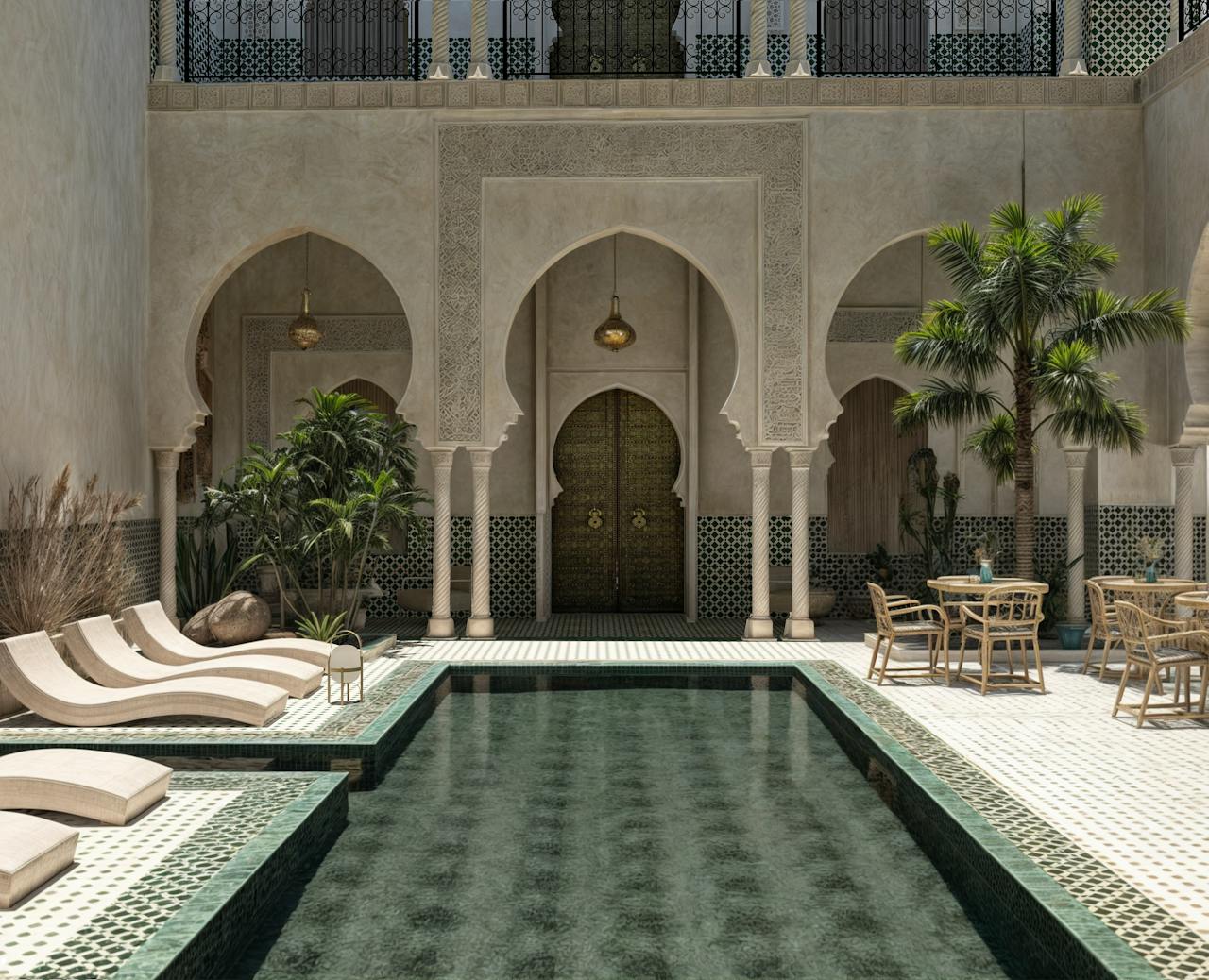
Morocco’s lodging scale runs from simple hostel dorms to some of the most photogenic riads in the world, often within a few blocks of each other.
- Hostels and basic guesthouses: $10 to $25 per night
- Mid-range riads and hotels: $40 to $100 per night, frequently including breakfast and rooftop terraces
- Luxury riads and resorts: $150 to $400 or more per night, often with pools, spas, and personalized service
Compared to similar-quality stays in Spain, Portugal, or Italy, Moroccan riads typically deliver more character and service per dollar, particularly in the mid-range tier.
Food and Dining Costs
Eating in Morocco is one of the best budget-to-quality ratios anywhere in the region.
- Street food and local cafés: $1 to $3 for a sandwich or bowl of harira soup; a full local meal runs $4 to $7
- Mid-range restaurants: $10 to $20 per person for tagine, couscous, or pastilla with a drink
- Fine dining and rooftop restaurants: $25 to $50 per person, often with skyline or medina views
Getting Around: Trains, Buses, and Taxis
Transport is one of Morocco’s genuine bargains, especially since the expansion of the country’s rail network.
- In-city taxis: $1 to $3 for short rides; confirm the price beforehand or ask the driver to use the meter
- Intercity trains: A Casablanca to Marrakech train runs roughly $10 to $20 depending on class. The high-speed Al Boraq line between Casablanca and Tangier costs about $15 to $25 and cuts travel time significantly
- Intercity buses: Cheaper than trains and reach nearly every town, including routes not served by rail
- Private driver or car rental: More expensive, but often the most practical way to reach the Atlas Mountains or the Sahara on your own schedule
Tours, Activities, and Sightseeing
- Museum and monument entry: $1 to $5 for most sites in Marrakech, Fes, and Rabat
- Local guides: $15 to $30 for a few hours
- Day trips (Atlas Mountains, Essaouira, Ouzoud Waterfalls): $25 to $70 per person, usually including transport
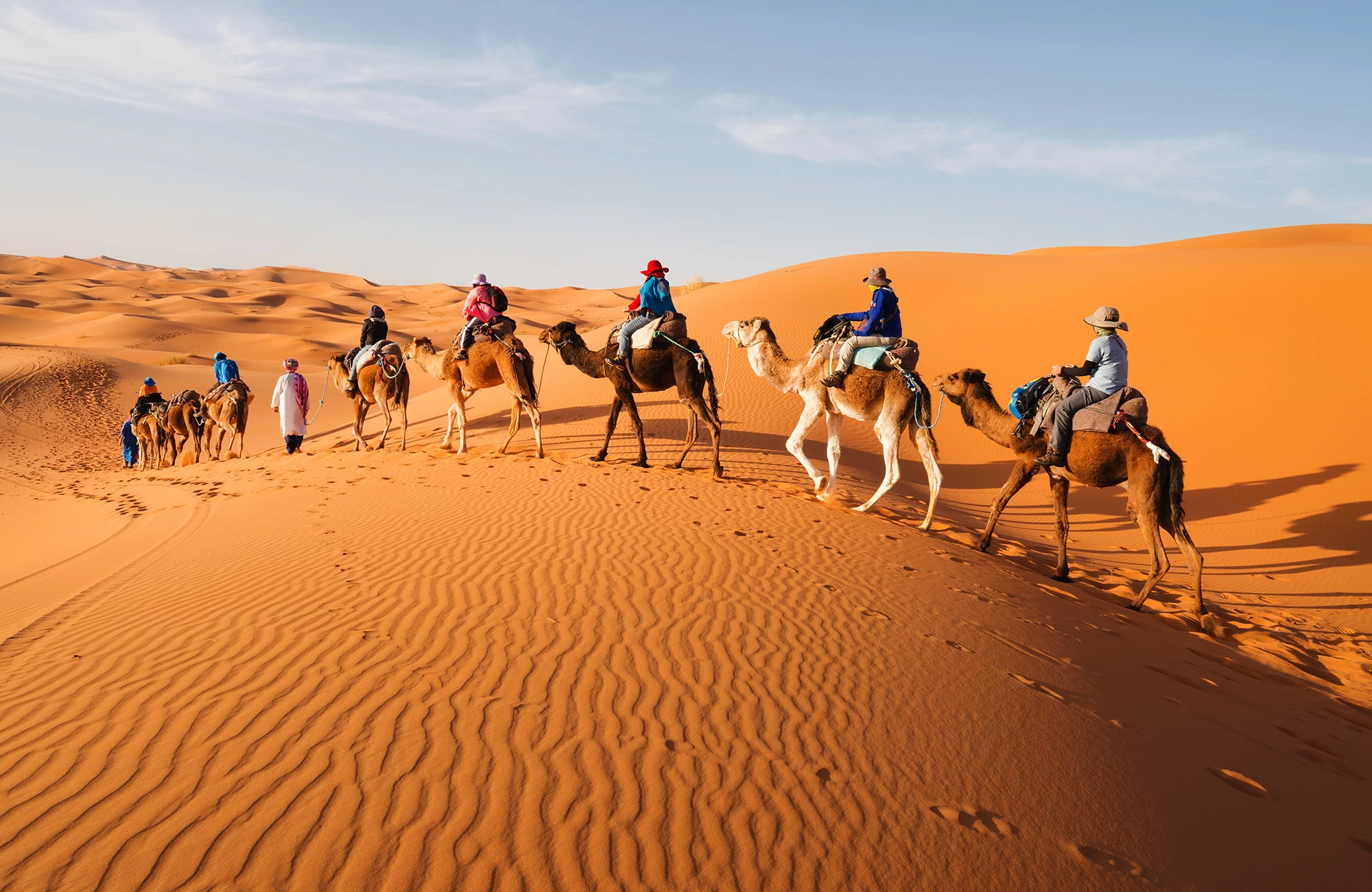
- Sahara Desert tours: Basic shared two-day tours from Marrakech start around $80 to $120 per person; private or upgraded multi-day tours with luxury camps run $200 to $500 or more
A Week in Morocco: Realistic Totals
| Travel Style | Estimated Cost for 7 Days (Per Person) |
|---|---|
| Budget | $250 to $350 |
| Mid-range | $500 to $800 |
| Luxury | $1,500 and up |
These figures cover accommodation, food, local transport, and a couple of activities, but exclude international flights.
How Morocco Compares to Other Destinations
- Vs. Spain, France, Italy: Hotels, meals, and entrance fees generally cost 40 to 60 percent less in Morocco for comparable quality
- Vs. Southeast Asia: Morocco runs slightly higher than Vietnam or Cambodia but remains competitive with Thailand’s mid-range tier
- Vs. the Gulf states: Considerably more affordable across nearly every category
Extra Costs First-Timers Often Forget
- SIM cards: A local prepaid SIM with data typically costs around $10 to $15 for a short trip, and is worth it for maps, translation apps, and ride-hailing
- Tipping: Not mandatory but customary; rounding up taxi fares and leaving 10 percent at sit-down restaurants is standard practice
- Hammam and spa treatments: A traditional hammam session runs roughly $10 to $30 depending on the setting, far below equivalent spa pricing in Europe
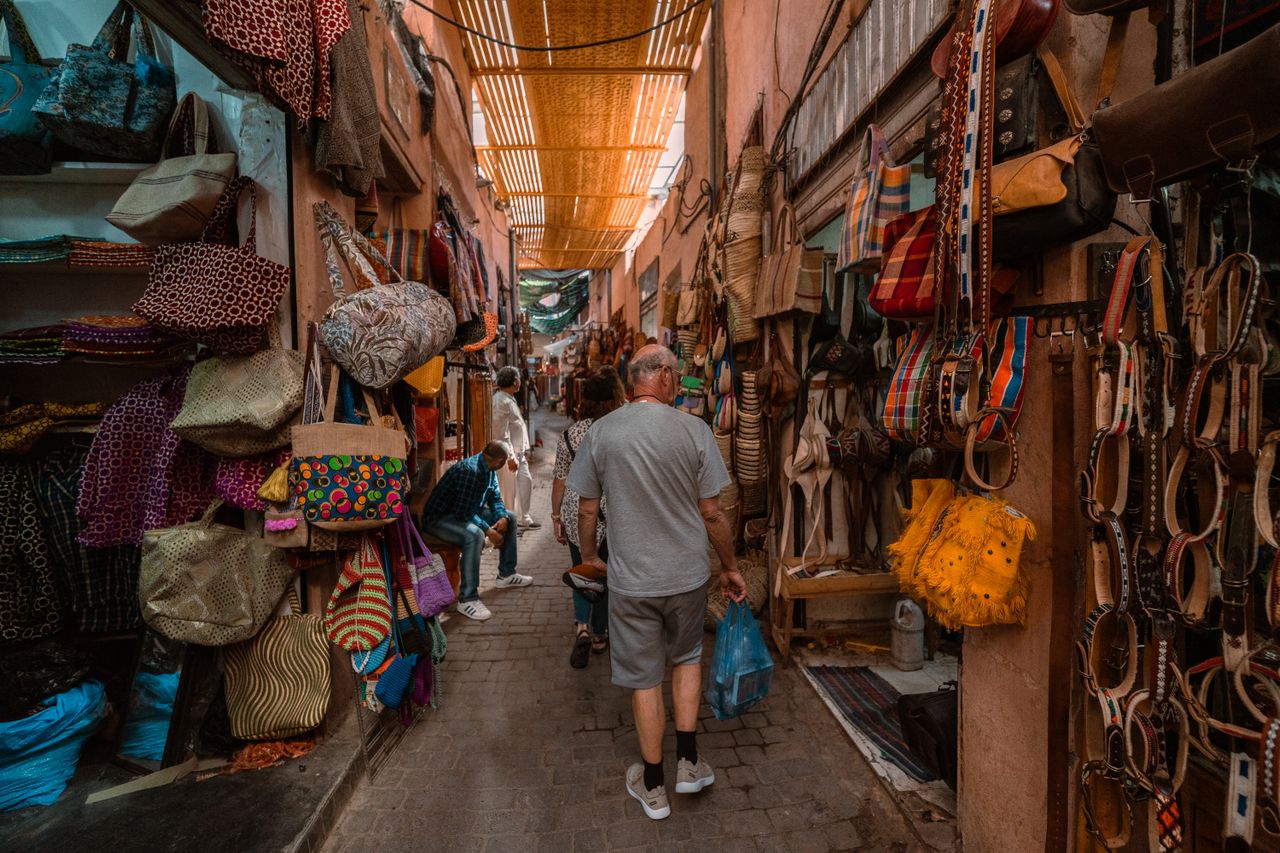
- Bargaining margin: In souks, initial prices are often set well above the expected sale price, so budgeting some negotiation room helps, particularly for carpets, leather goods, and lamps
Smart Ways to Save Money
- Eat where locals eat: Small cafés and street stalls consistently beat tourist-area restaurants on price without sacrificing quality
- Travel in shoulder season: Spring and autumn offer lower hotel and tour prices than peak high season, with still-pleasant weather
- Book tours in advance: Online bookings and hotel-arranged tours often come with better rates than last-minute street bookings
- Choose shared over private: Group desert tours and shared taxis cost a fraction of private equivalents
- Negotiate respectfully in markets: Bargaining is part of the culture, and a friendly, patient approach usually gets a fair price
Numbeo, Morocco cost of living data
FAQ
Is Morocco cheaper than Europe?
Yes. Hotels, food, transport, and entrance fees generally cost 40 to 60 percent less than comparable options in France, Italy, or Spain, and even luxury experiences in Morocco often feel affordable by European standards.
How much money do I need for a week in Morocco?
A budget trip runs roughly $250 to $350 for the week, a mid-range trip $500 to $800, and a luxury trip $1,500 or more, excluding international flights.
Is Marrakech more expensive than other Moroccan cities?
Yes, generally. As one of the most visited cities, Marrakech tends to run higher on hotels, restaurants, and tours compared to Fes, Chefchaouen, or Meknes, though budget options still exist if you know where to look.
Are Sahara Desert tours worth the cost?
For most travelers, yes. Even basic shared tours include transport, meals, camel rides, and a night in the desert at a reasonable price, while private or luxury versions add comfort for those who want to upgrade.
What currency should I bring or use in Morocco?
Bring US dollars or euros to exchange locally, since the Moroccan dirham cannot be purchased in advance or exchanged back easily outside the country. ATMs in Moroccan cities are widely available and often offer competitive rates.
Plan Your Morocco Trip on Your Terms
Morocco genuinely works at every budget level, from a backpacker’s shared taxi and hostel bed to a private driver and a riad with its own hammam. The country doesn’t punish a tight budget or reward overspending disproportionately, which is part of why it keeps drawing repeat visitors.