HomeTours9-Day Morocco Roam Package Tour: Explore the Beauty of Morocco

9-Day Morocco Roam Package Tour: Explore the Beauty of Morocco

Overview

The 9-Day Morocco Roam Package Tour offers a captivating journey through Morocco’s stunning landscapes and vibrant culture. This tour includes visits to iconic cities like Marrakech and Fes, as well as breathtaking natural sites, including the Sahara Desert. Engage in camel trekking, explore local markets, and discover traditional Berber villages. This package is designed to provide a comprehensive experience, showcasing Morocco’s rich heritage and diverse beauty.

Embark on an unforgettable 9-day Morocco Roam Package Tour. Discover the diverse landscapes and rich culture of Morocco.


What’s Included

  • Pickup at your riad or hotel in Marrakech.
  • Transport in a car with air conditioning
  • English-speaking chauffeur / tour guide.
  • All meals according to the itinerary.
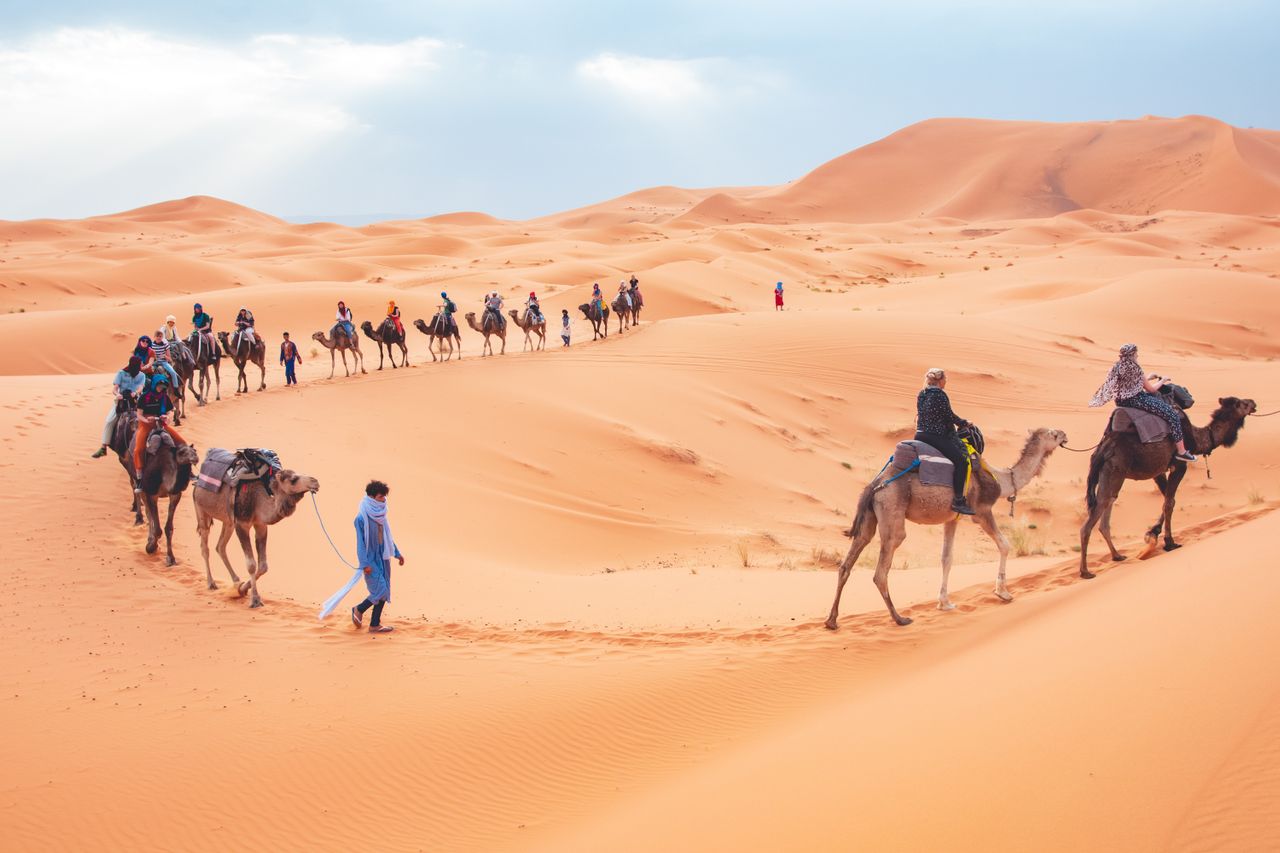
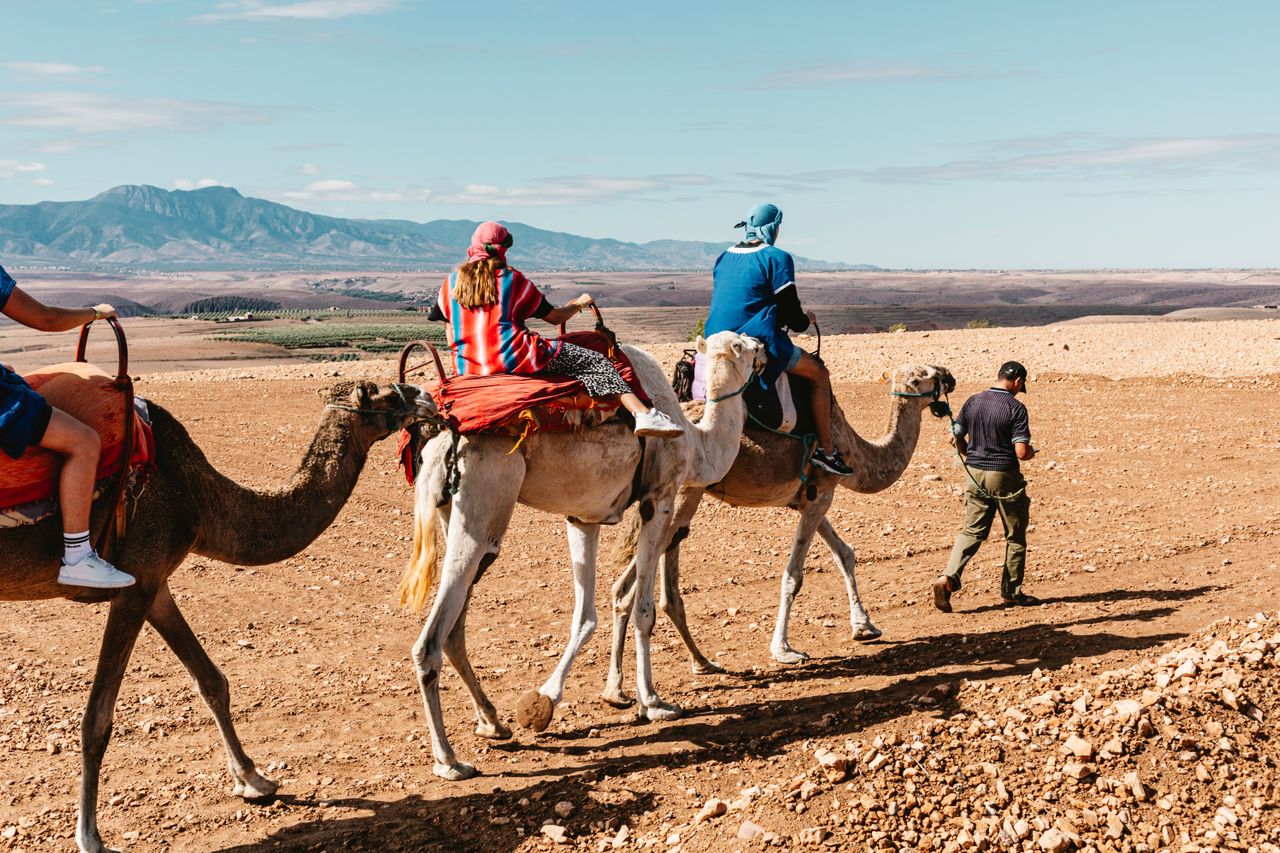
  • Camel ride in Sahara desert
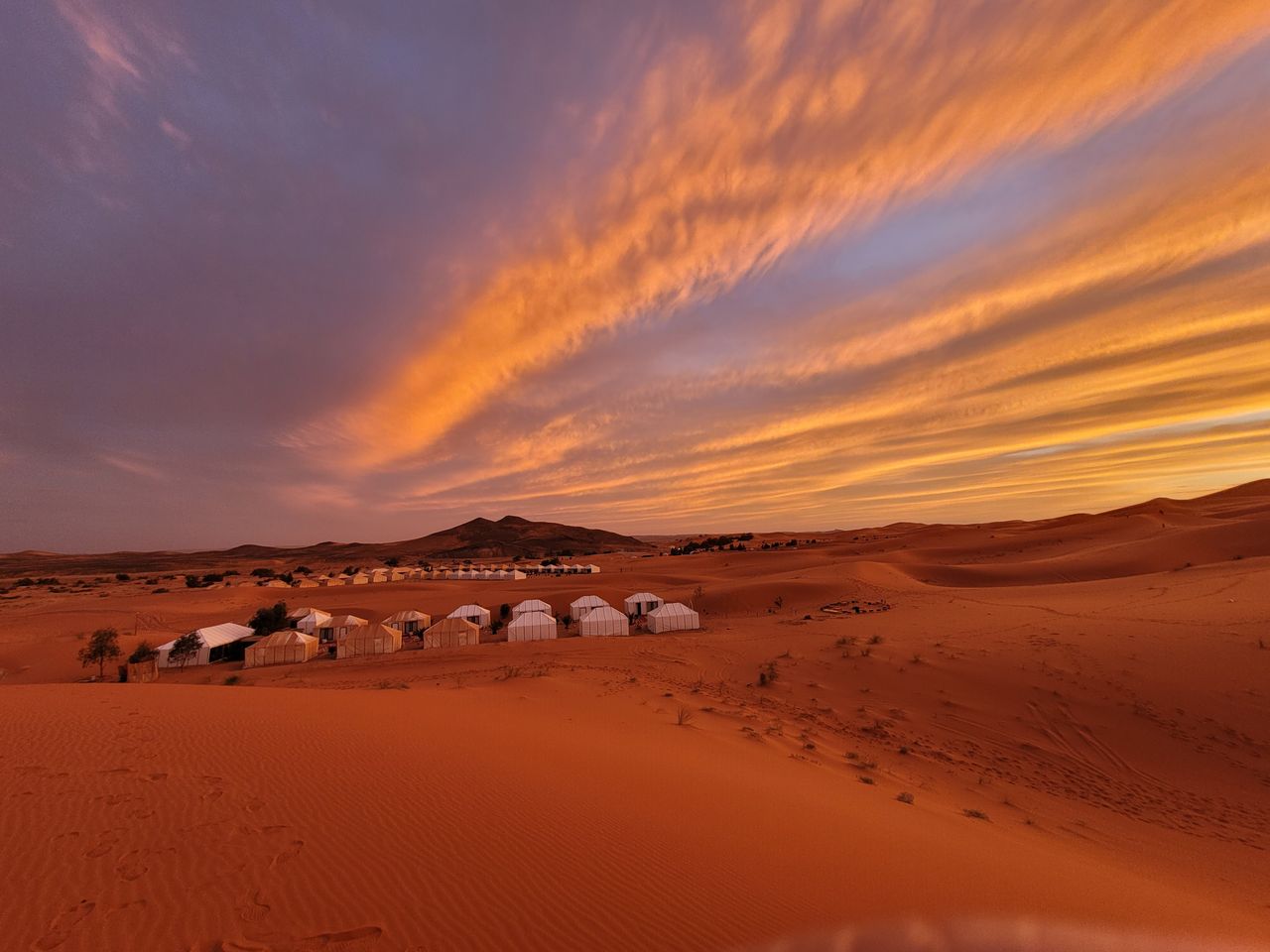
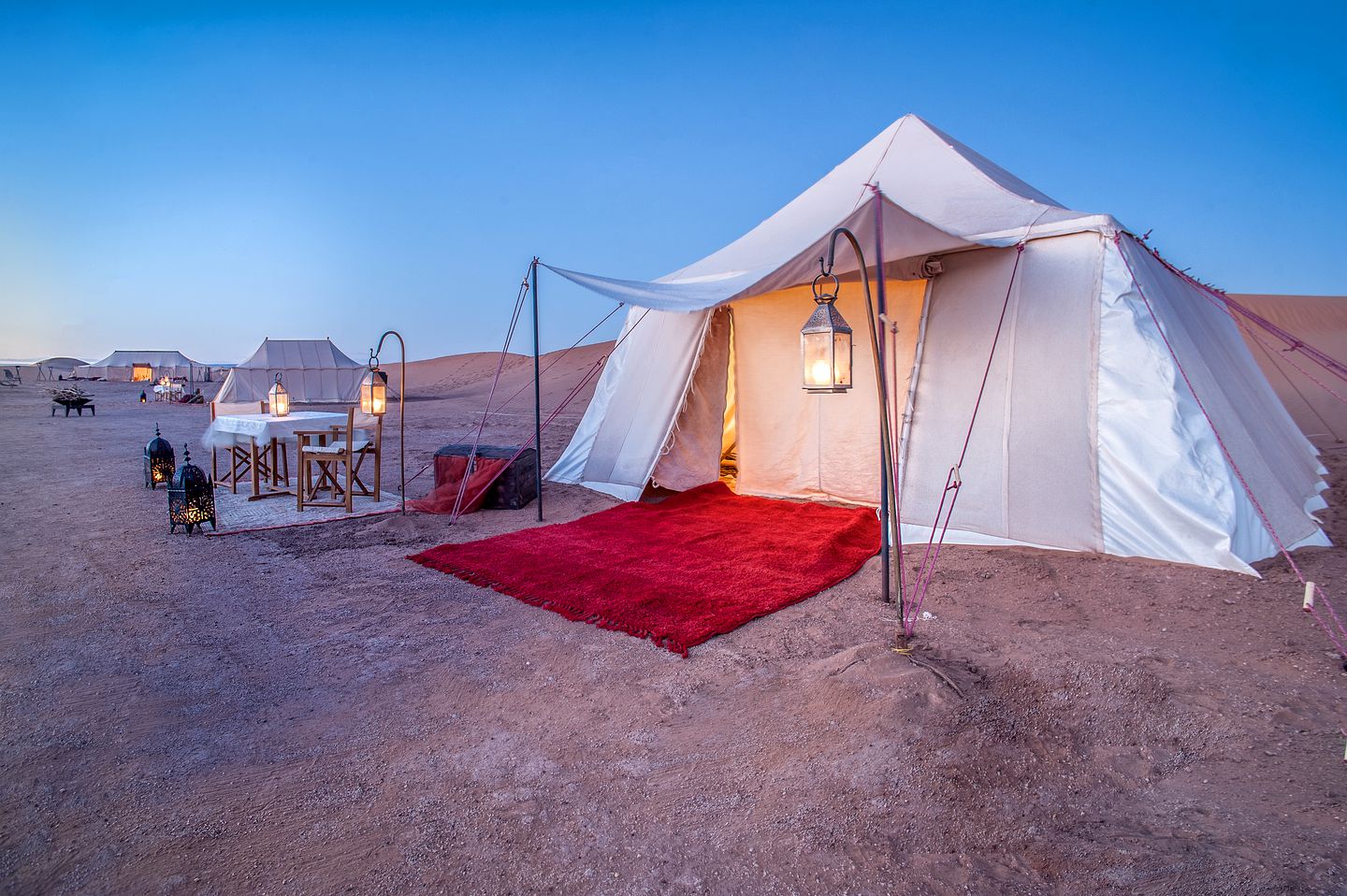
  • Sleeping in desert camp.
  • Transfer to your Marrakech hotel.

 Not Included

Lunches / Drinks / Admission Fees

Entry fees for museums, monuments


PRIVATE TOUR HIGHLIGHTS:

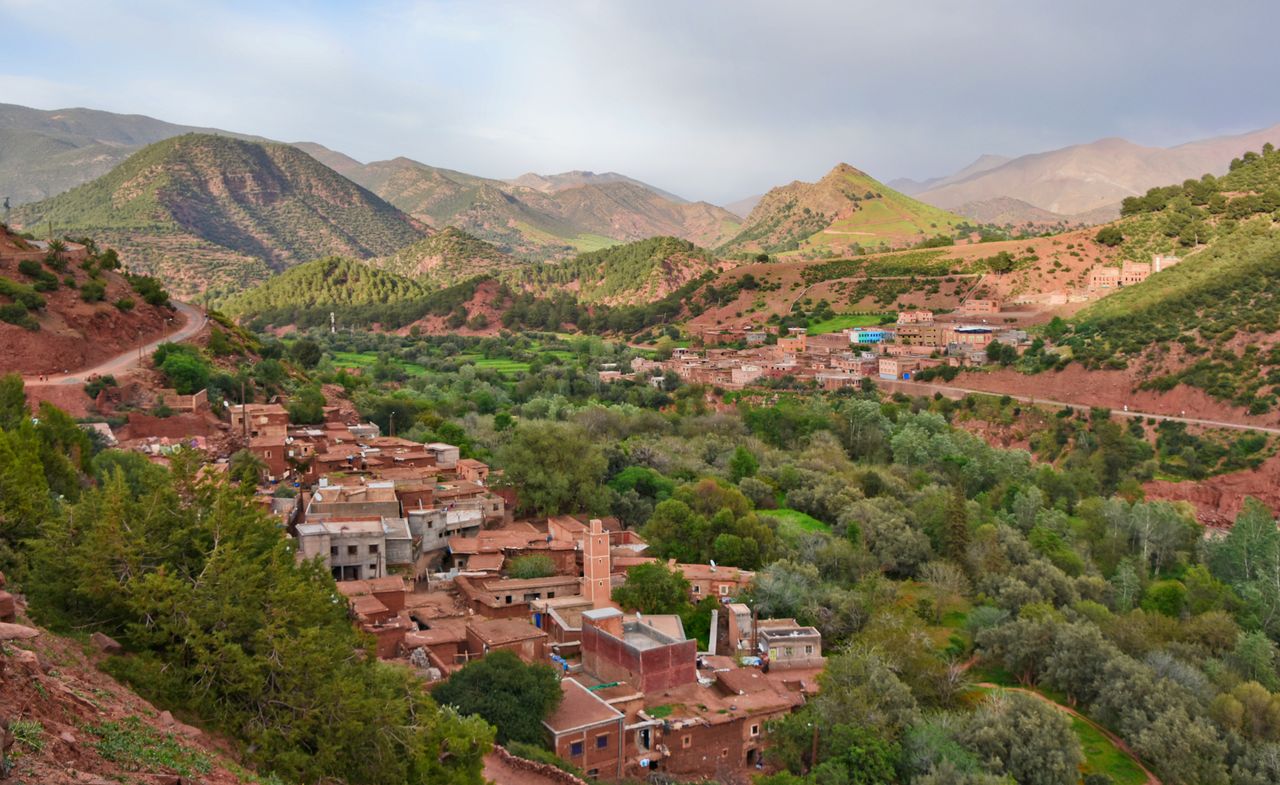
  • Exploring High Atlas Mountains
  • Stopping at mountain Berber villages
  • View of Tizi n’Tichka pass
  • Visit Unesco kasbah of Ait Benhaddou
  • Visit Ouarzazate movie studios
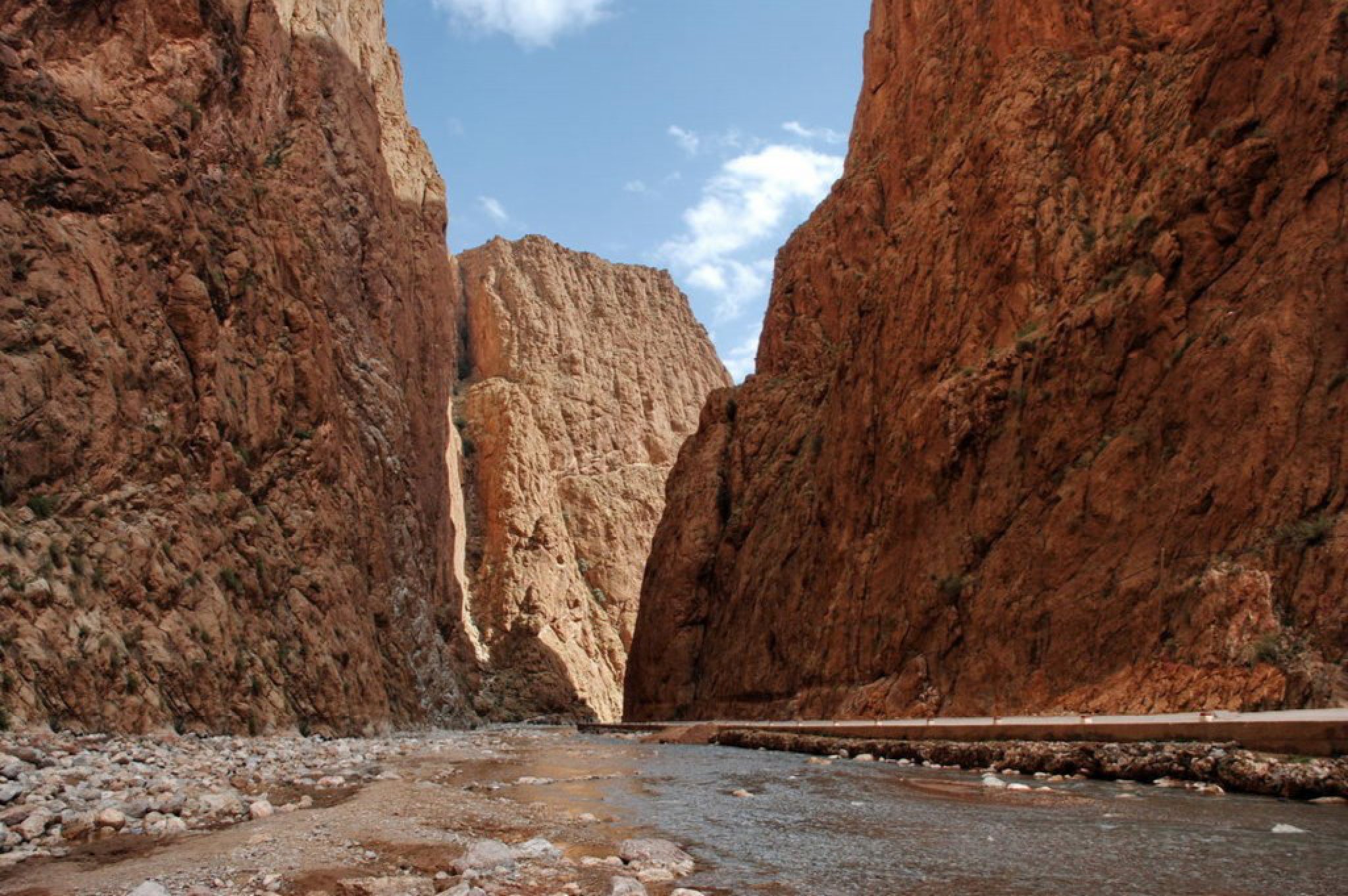
  • Visit Dades Gorges, Todra Gorges
  • Camel trek in Erg Chebbi desert
  • Sleeping in desert camp


DEPARTURE / ARRIVAL:

Hotel pick up at 8.30 a.m. On the final day, we return at 7 p.m. and leave you off at your hotel or desired location.

GET A PRICE QUOTE:

To reserve private tour from Marrakech , we require some of your details. Please fill up the contact form. We are fully flexible to organize your private tour depends on your travel ideas and budget.

What To Expect

1

Day 1: Casablanca Arrival

We pick you up from Casablanca airport and transfer you to your hotel. Depending on your arrival time, you’ll have the afternoon free to rest or take a short walk along the Corniche before we start the tour properly the next morning.

2

Day 2: Casablanca to Essaouira

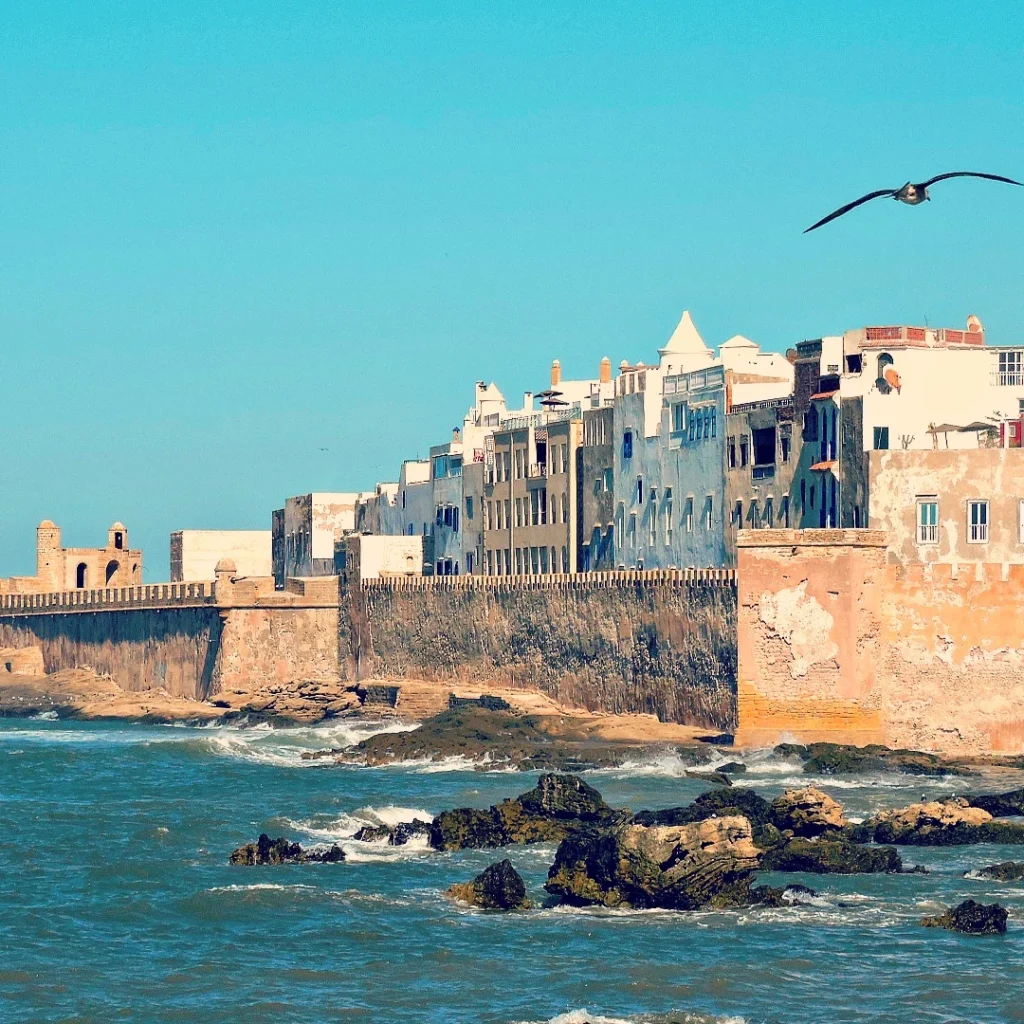
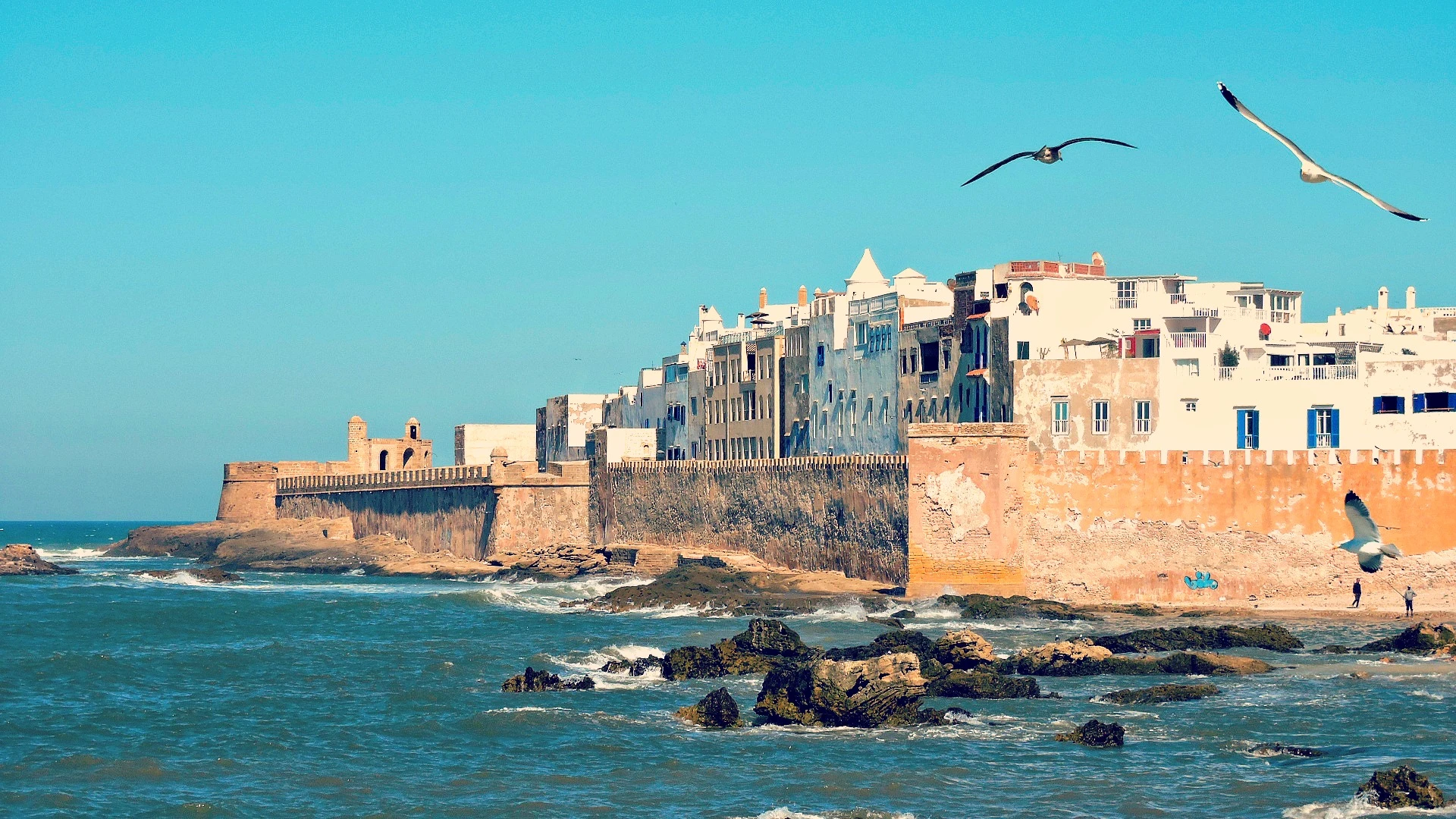
After breakfast we drive south to Essaouira, the Atlantic soul city once known as Mogador. On arrival you’ll have the day to explore its UNESCO-protected medina, a blend of Portuguese, French, Arabic, and Berber influences. Walk the ramparts of the Skala, browse the thuya wood carving workshops, and enjoy fresh fish straight from the port. Overnight in Essaouira.

3

Day 3: Essaouira to El Jadida to Casablanca

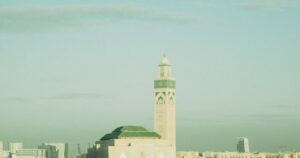
We leave Essaouira and drive up the coast to El Jadida, known locally as Mazagan, where you’ll visit the Portuguese Cistern and the old fortified city, another UNESCO site. From there we continue back to Casablanca, arriving in the afternoon with time to see the Hassan II Mosque, the largest in Africa, and the seafront Corniche. Overnight in Casablanca.

4

Day 4: Casablanca to Rabat to Chefchaouen

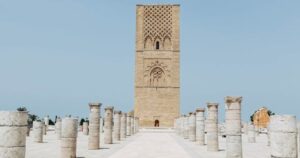
This morning we drive to Rabat, Morocco’s capital, for a look at the Hassan Tower, the Mausoleum of Mohammed V, and the Kasbah of the Oudayas. After lunch we continue north through Kenitra and the Rif Mountains to Chefchaouen, the blue city, arriving in the early evening with time to wander its indigo-washed alleys before dinner. Overnight in Chefchaouen.

5

Day 5: Chefchaouen to Volubilis to Meknes

After breakfast we head south via Ouazzane and other Rif villages to Volubilis, Morocco’s best-preserved Roman ruins, where you’ll see the mosaics and old city layout up close. We continue to Meknes for lunch and a walk through the imperial city, including Bab Mansour and the Mausoleum of Moulay Ismail. Overnight in Meknes or Fes depending on route.

6

Day 6: Meknes to Fes Sightseeing

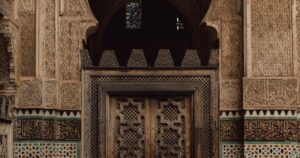
We arrive in Fes for a full day exploring the oldest imperial city in Morocco on foot. Highlights include the Royal Palace gate, the old Mellah Jewish quarter, Al Qaraouine University, the historic tanneries, and the Attarine Medersa. After lunch we visit a tile cooperative before taking in a panoramic view over the whole medina. Overnight in Fes.

7

Day 7: Ifrane, Azrou, and Into the Sahara

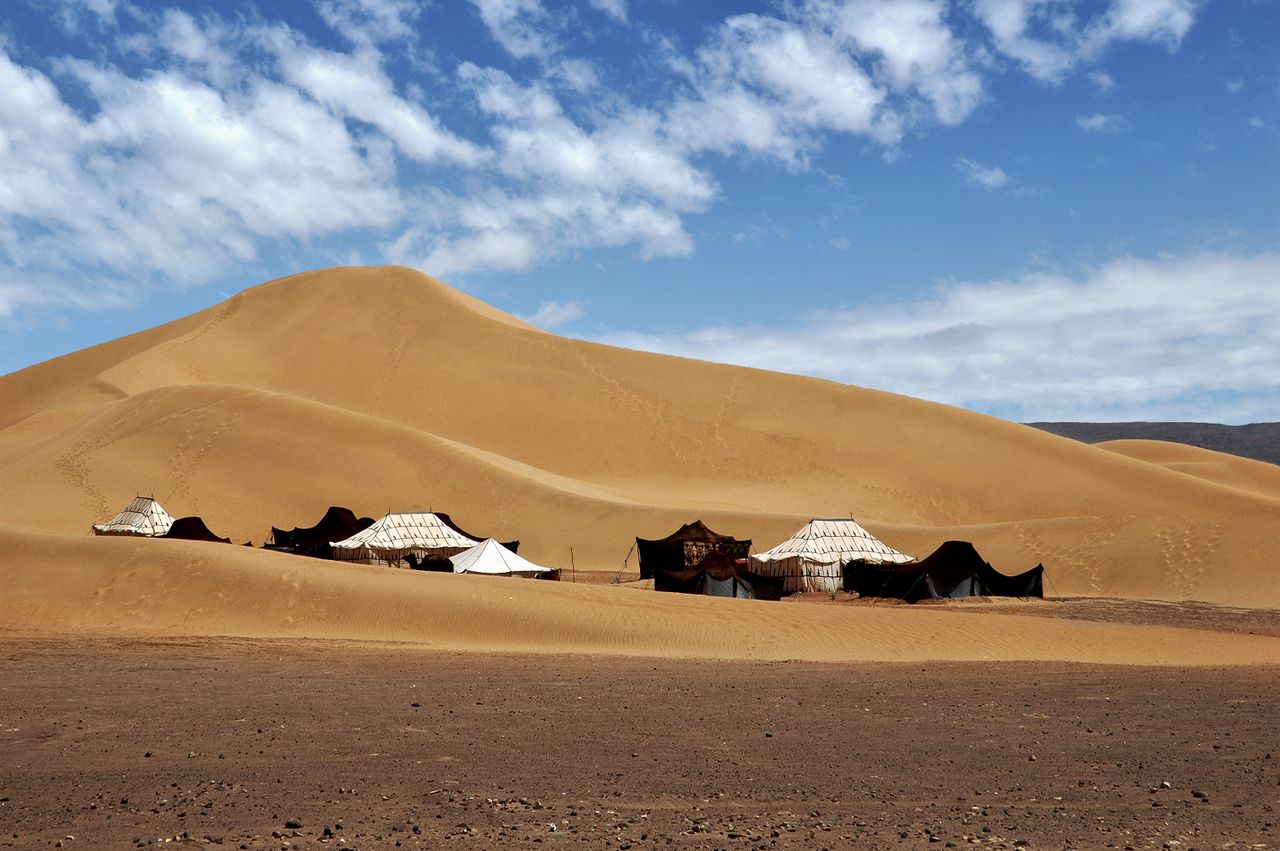
Leaving Fes, we drive through the Middle Atlas via Ifrane, often called “Little Switzerland” for its alpine architecture, and stop at the cedar forests of Azrou to see wild Barbary apes in their natural habitat. From there we continue south toward the Sahara, watching the landscape shift from cedar forest to desert as we approach Merzouga. Camel trek and overnight in a Berber camp among the dunes.

8

Day 8: Sahara Sunrise to Marrakech

An early camel trek back across the dunes to watch the sunrise over the Sahara before breakfast. We then begin the long drive toward Marrakech, crossing the High Atlas via the Tizi n’Tichka pass, with stops at scenic viewpoints and Berber villages along the way. Overnight in Marrakech.

9

Day 9: Marrakech and Departure

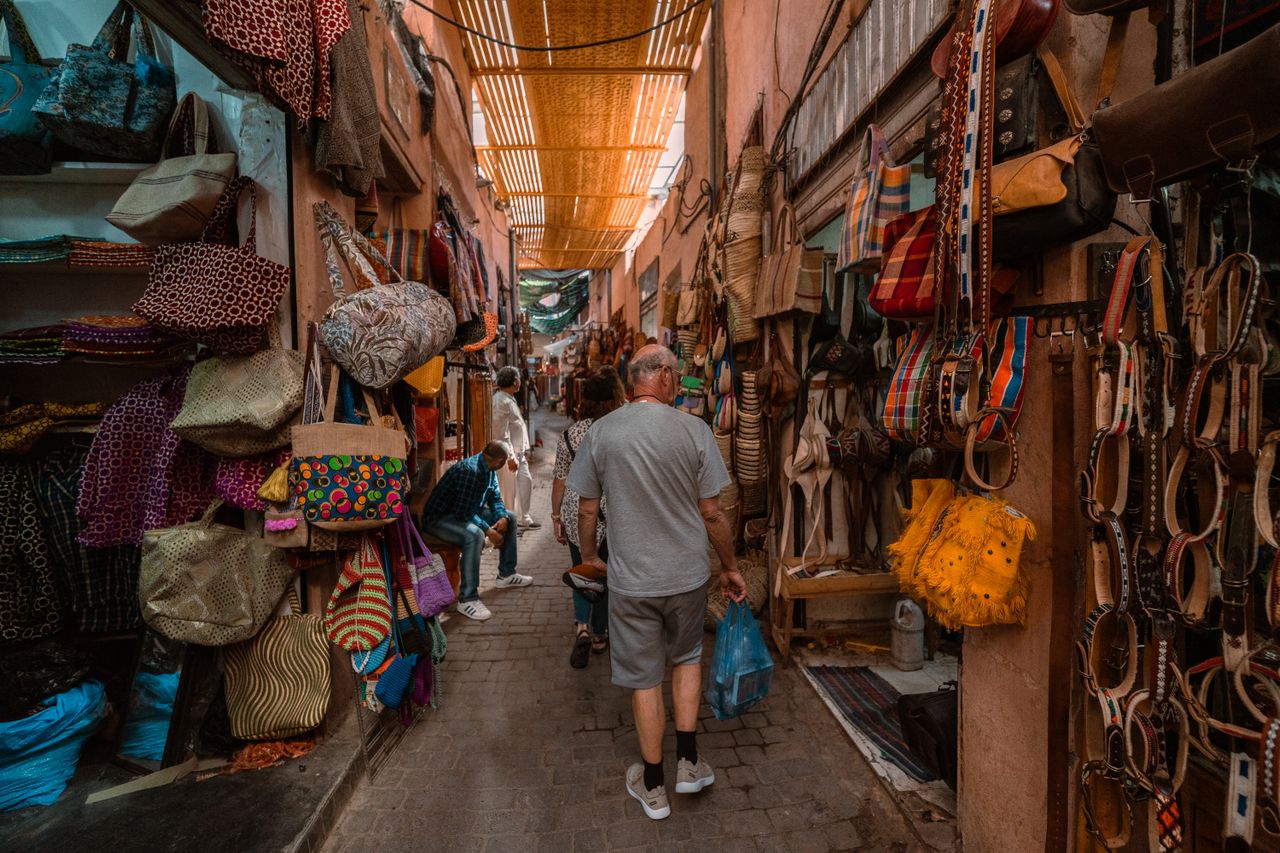
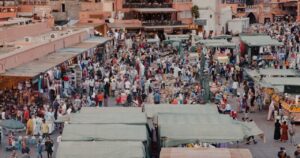
Depending on your flight time, you’ll have the morning free to explore Marrakech, the Majorelle Gardens, the Koutoubia Tower, or the souks, before your private transfer to the airport for departure.

FAQ

    Fill up the form below to tell us what you're looking for

    We reply to queries within 24 hours

    Meet Your Guide

    • Nourddine — Founder & Travel Expert

    Keep Exploring Morocco

    Agadir

    7 Tours

    Casablanca

    24 Tours

    Fes

    7 Tours

    Marrakech

    51 Tours

    Rabat

    1 Tours

    Tangier

    9 Tours

    Good to Know Before You Travel

    Everything you need to plan your trip with confidence. If anything below isn’t clear, message Nourddine directly on WhatsApp, no call centre, no middleman, just straight answers from the person running your tour.

    The official currency is the Moroccan Dirham (MAD). Dirhams cannot be bought or sold outside Morocco, so exchange money on arrival at the airport, a bank, or an official bureau de change. ATMs are widely available in Marrakech, Fes, and Casablanca; in the desert and smaller villages they are scarce, so carry enough cash before heading out on tour. Nourddine can advise on how much cash to bring for meals and souvenirs not included in your package. [VERIFY: recommended cash amount per day]

    Morocco uses Type C and Type E plugs, running on 220V / 50Hz. Travelers from the USA, UK, Canada, Australia, New Zealand, and South Africa will need a plug adapter; US and Canadian travelers may also need a voltage converter for non dual-voltage devices. Power is generally reliable in cities and riads; in desert camps, electricity may be limited to solar charging points or generator hours. [VERIFY: charging availability in desert camps]

    These are general indications only, always confirm with your doctor or a travel health clinic before departure. Commonly discussed vaccines for travel to Morocco include Typhoid, Hepatitis A, Hepatitis B, Tuberculosis, and Rabies. Tap water is best avoided; stick to bottled or filtered water throughout the trip, including in the desert. Bring any personal medication in its original packaging, along with a basic first aid kit and sun protection, as Saharan sun and dust can be intense. [VERIFY: this content should be reviewed against current NHS/CDC guidance before publishing]

    Whether you need a visa depends on your nationality. As a general guide: US, UK, Australian, New Zealand, and most EU citizens typically do not require a visa for short tourist stays in Morocco. South African citizens and some other nationalities should check requirements with their local Moroccan embassy before booking flights. Visa rules can change, so always verify directly with the embassy for your nationality; Trek Morocco Desert cannot provide visa services. [VERIFY: current stay duration limits by nationality]

    Unlike marketplace platforms, you book directly with Nourddine, so there are no third party booking fees. A deposit secures your dates, with the balance due before departure. [VERIFY: deposit percentage and final balance deadline]. Accepted payment methods include [VERIFY: bank transfer / card / PayPal], and prices are confirmed in writing before you pay anything.

    Because every tour is arranged personally with Nourddine rather than through a call centre, cancellation terms are discussed and agreed directly with you at booking. [VERIFY: cancellation window and refund tiers]. If your plans change, message Nourddine as early as possible, flexibility is easier to arrange the more notice you give.

    Travel insurance is strongly recommended for all tours, covering medical emergencies, trip cancellation, and lost luggage. Trek Morocco Desert does not sell insurance directly; [VERIFY: whether to name a specific partner or recommend travelers arrange their own policy before departure]. Check that your policy covers activities included in your itinerary, such as camel trekking, sandboarding, or quad biking, if applicable. [VERIFY: activity-specific coverage note per tour]

    Some routes involve uneven desert terrain, long driving days, and accommodation without lift access, which may not suit every mobility level. Rather than promising a fit that may not exist, Nourddine prefers to discuss your specific needs directly before booking, so the itinerary can be honestly adapted or an alternative suggested. Contact Nourddine on WhatsApp to talk through accessibility requirements before you book. [VERIFY: which tours/vehicles can realistically accommodate reduced mobility]

    Layers matter more than any single item: days in the Sahara can be hot while nights turn cold, especially between November and February. Pack breathable clothing, a warm layer for desert evenings, comfortable walking shoes, a scarf or turban for sand and sun, sunglasses, sunscreen, and a reusable water bottle. A basic power bank is useful given limited charging in the desert. [VERIFY: seasonal packing note for summer vs winter departures]

    Spring (March to May) and autumn (September to November) offer the most comfortable temperatures for both the Atlas Mountains and the Sahara. Summer months bring intense desert heat, while winter nights in the desert can drop close to freezing, though days remain pleasant. Nourddine can help you choose dates and adjust the itinerary to the season. [VERIFY: month-by-month temperature guidance]

    Tipping is customary in Morocco for guides, drivers, and camel handlers; it is appreciated but never obligatory. [VERIFY: suggested tipping amounts per role]. Arabic and Amazigh (Berber) are the local languages, with French widely spoken and English increasingly common in tourism. Nourddine speaks [VERIFY: languages spoken] and is reachable throughout your trip via WhatsApp at +212 613 405 439.